Elevated coastal-style houses with lit balconies and palm trees photographed at dusk along a quiet residential street.

Mini Split Installation in Honolulu, HI

Tell us about the job

Takes about a minute. No obligation.

New system or replacementMini-splitHonolulu County, HI
Step 1 of 2

What ZIP code is the job in?

Electricity here runs 42.86 cents a kilowatt-hour

Hawaii homes paid that rate in 2024, among the highest in the country. A mini split's efficiency rating matters more in Honolulu than almost anywhere else, because every point of it gets multiplied by that rate on every bill.

The install decides what you pay for years

A mini split sized and installed correctly reaches its rated efficiency. One that is oversized, undersized, or has a poorly sealed line set will not, no matter what the label says. At Honolulu's electric rate, that gap in performance costs more here than it would somewhere power is cheap.

66°F
the average winter night it heats against
85°F
the average summer afternoon it cools against
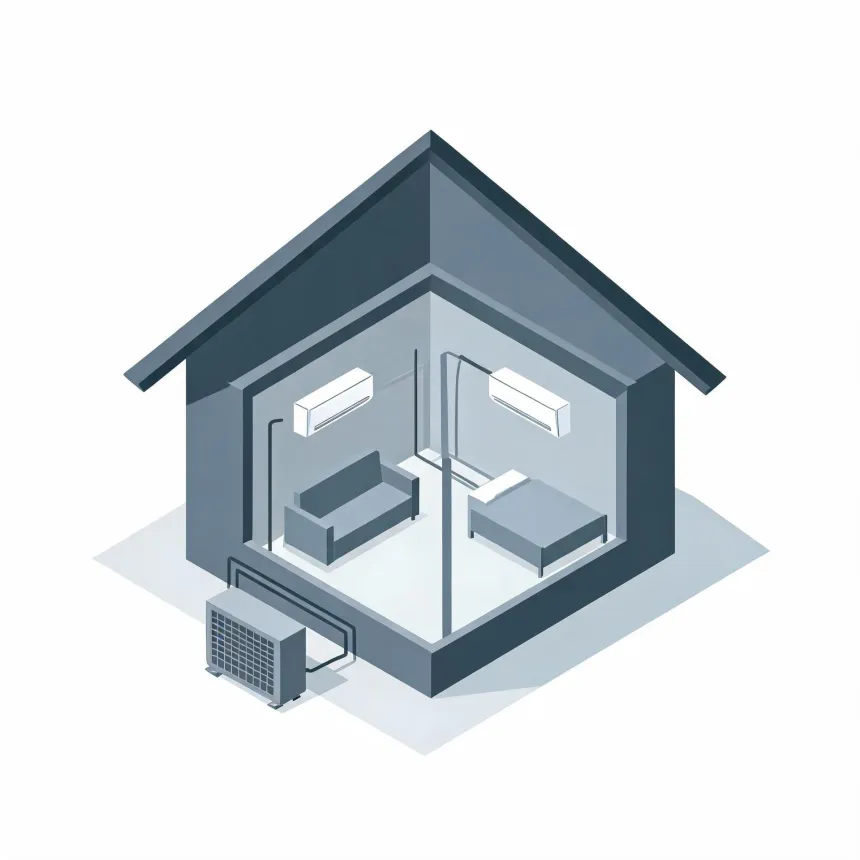
Isometric cutaway illustration of a small gray house showing two rooms, one with a sofa and one with a bed, each with a wall-mounted indoor air conditioning unit connected by line sets to an outdoor condenser unit on the ground outside.

Half the homes in Honolulu County were built in 1977 or earlier, half in 1977 or later.

A mini split doesn't care which. The install still comes down to the right size for the room and a tight line set.

This system never gets a season off

Summer afternoons average 85°F
Power costs 42.86 cents a kWh statewide
Climate zone 1A

Electricity heats 48.2% of homes in Honolulu County, more than any other fuel. Utility gas heats 3.9%, and bottled or LP gas another 1.0%. That tells you most homes here are already wired for electric equipment, not plumbed for gas. A mini split fits that setup without asking for a gas line the house was never built to have. Replacing an existing system with another mini split, or adding one, follows the path most homes here already take.

Any new mini split here has to clear 14.3 SEER2 and 7.5 HSPF2

Honolulu falls under zone 1A, and any split-system heat pump made since January 2023 has to meet 14.3 SEER2 and 7.5 HSPF2, ductless included. There's no separate, lower bar for mini splits. A federal tax credit is available toward a system that qualifies.

Find a contractor
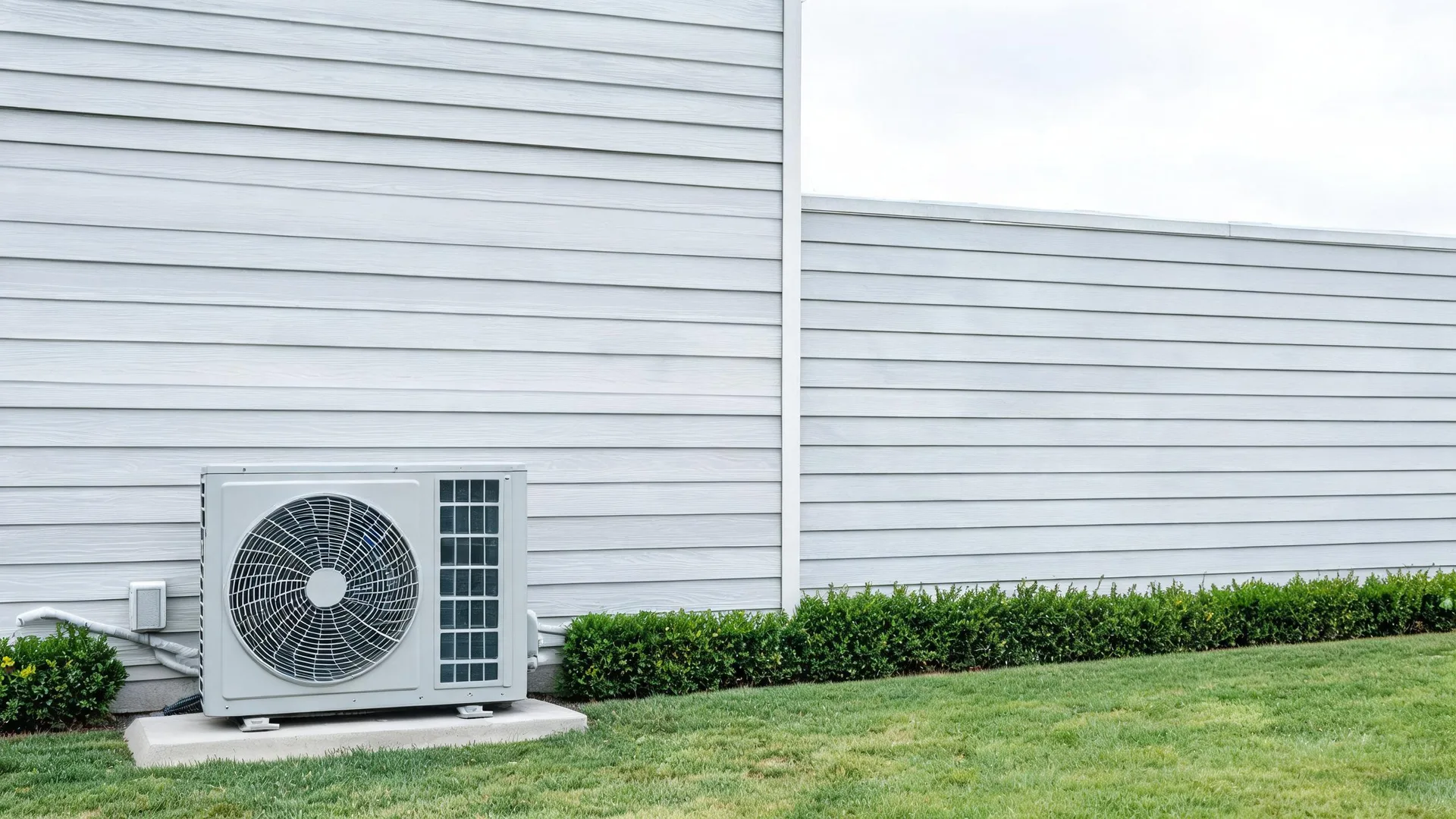
A beige split-system air conditioner outdoor condenser unit mounted on metal wall brackets atop a stucco wall.

It runs every month, so the install has no season to hide in

Cooling runs here every month of the year, with afternoons averaging 85°F through June, July and August. There's no stretch where the system sits idle and the compressor gets a break. That changes what's worth paying attention to at install. A unit sized to the room, not just the square footage of the house, carries that load without straining. Ask whoever installs it to size it room by room and pressure test the line set before it's closed up.

Every zone adds its own cost

A mini split system prices out by how many indoor heads it runs, not as one flat number. A single zone cooling one room is a different job than a multi-zone system feeding several rooms off one outdoor unit. Each indoor head needs its own line set run, its own mounting, its own refrigerant connection tested and sealed.

What's already there changes the work

Running new line sets through a wall that's never had one takes longer than reusing a path an old system left behind. Where the outdoor unit can sit, how far it sits from the indoor head, and what the wall or ceiling is made of all decide how much work goes into the run before the system ever turns on.

If this is replacing a central system, whoever does the work still has to deal with what's already there. The old ducts don't power the new system, but they don't vanish either. Some get sealed off and left in place, especially if they run through a ceiling or wall that would be a mess to open up. An old outdoor condenser gets disconnected, the refrigerant recovered, and hauled away. If the old system ran on a line set of its own, that line set is usually too small for a mini split and gets pulled rather than reused. An old thermostat on the wall will likely get capped or removed once it has nothing left to control.

Install day starts with the outdoor unit placement and the mounting plate for each indoor head, because everything else follows from where those sit. The installer runs the line set between them, bends it to clear the path through the wall or ceiling, then connects it to both units. That connection gets pressure tested before any refrigerant moves through it. A line set that's never tested can hold a slow leak for months before anyone notices the system losing capacity. Once the test holds, the line gets evacuated to pull out moisture and air, then the system gets charged. Only after the charge is set does the installer power it on and check that each zone is actually cooling or heating the way it should, head by head, not just the one nearest the thermostat.