
Mini Split Installation in Hawaii
Electricity costs homes more in Hawaii than in 49 of the other 49 states.
Tell us about the job
Takes about a minute. No obligation.
- 84°Fsummer afternoon high where people live
- 12 monthsof cooling, January through December
- 65°Fwinter overnight low where people live
- 42.86¢ per kWhwhat homes paid for power in 2024 (kWh means kilowatt hours, the unit on an electric bill)
Electricity costs more here than anywhere. Efficiency matters more on every bill.
- Western counties need about 51% more cooling than eastern ones
- Summer afternoons average 84°F where people live
- Winter nights average 65°F where people live
- Cooling runs January through December
- 153 damaging wind events from 2015 to 2024
- 14% of homes lost power a day or more in 2024


- Each indoor head has its own thermostat, so you cool the bedroom at night without paying for empty rooms
- The compressor runs at variable speed and throttles down once a room hits target, instead of shutting off and restarting
- No ductwork means no air lost through leaky duct runs before it reaches the room
- A line set lets the installer put the outdoor unit somewhere it's easy to service later
- Sized and placed right, the indoor head won't short cycle, which is what wears a compressor out early

Electricity heats 43.1% of homes here, more than any other fuel. Gas barely registers, at 3.2% for utility gas and 1.9% for bottled or LP gas. A mini split fits that setup well since it runs on electricity like almost everything else already does in the house.
Fuel oil heats a fraction of a percent of homes here, so there's no competing heating system to work around in most houses. That makes a mini split a clean swap for whatever electric setup is already in place, baseboard heaters or a window unit, without the extra step of dealing with a gas line or oil tank.

A system that runs every month needs sizing that matches, not a guess
There's no season off here, and an undersized unit never gets to coast
Cooling runs here every month of the year, which doesn't happen anywhere else in the country. The compressor doesn't get a stretch of mild weather to idle through. It's cycling on and off in December the same as in July. Summer afternoons average 84°F, hot enough that a head sized too small just runs flat out and never catches up to the thermostat. That kind of strain shows up as wear sooner than it would somewhere with a real winter to ease off in. Get the size and the placement right at install, and the system settles into the steady load this climate actually hands it, instead of fighting it every day.
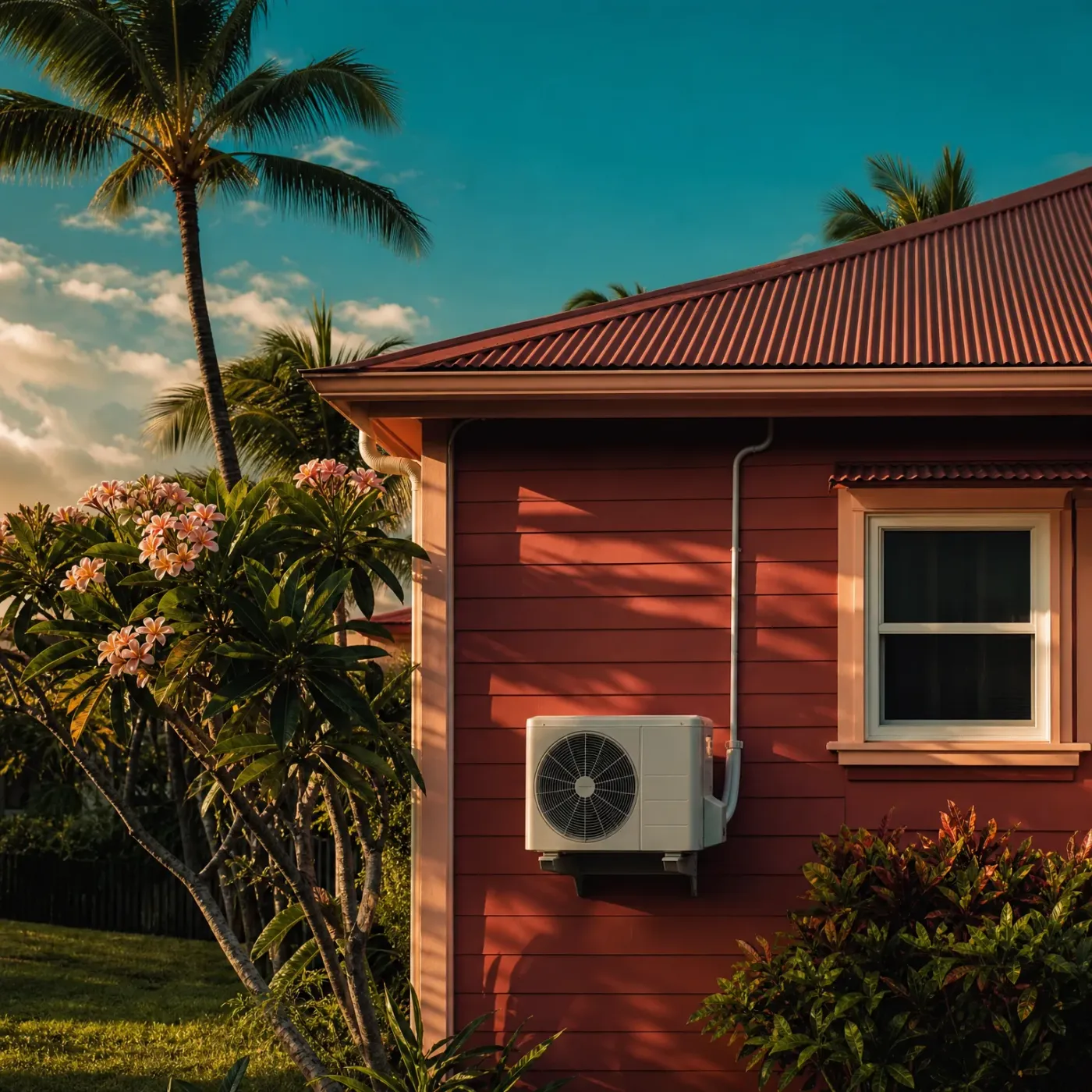
Cooling need isn't even across the state. Homes in the western counties need about 51% more cooling over a year than homes in the eastern counties, and summer afternoons there average 85°F against 81°F in the east. A mini split sized for an eastern county home would come up short on a western county afternoon.
Within a single county the spread is just as real. Honolulu County needs about 53% more cooling over a year than Maui County, which has the lowest cooling need in the state. Two homes in different counties can run the same mini split and ask very different amounts of work from it.
Statewide, cooling runs all twelve months, longer than anywhere else in the country, and that holds no matter which county you're in. What changes from county to county is how much cooling a given home needs to get through those months, and that's the number worth checking before sizing a system.
What does a mini split in Hawaii face?
How hot do summer afternoons get?
84°Faverage afternoon high where people live
Alaska66°F
Arizona101°F
How cold do winter nights get?
65°Faverage overnight low where people live
North Dakota4°F
Hawaii65°F
How many months does the cooling run?
12 monthsof cooling a year
Alaska0 months
Hawaii12 months
What does electricity cost?
42.86¢per kWh, what homes paid in 2024
North Dakota11.51¢
Hawaii42.86¢
How often do storms hit?
59severe weather events per county from 2015 to 2024
Alaska5
Wyoming1,057
How many homes lost power for a day or more?
14%of homes in 2024
Arizona7%
Maine54%
The rate makes efficiency worth paying for
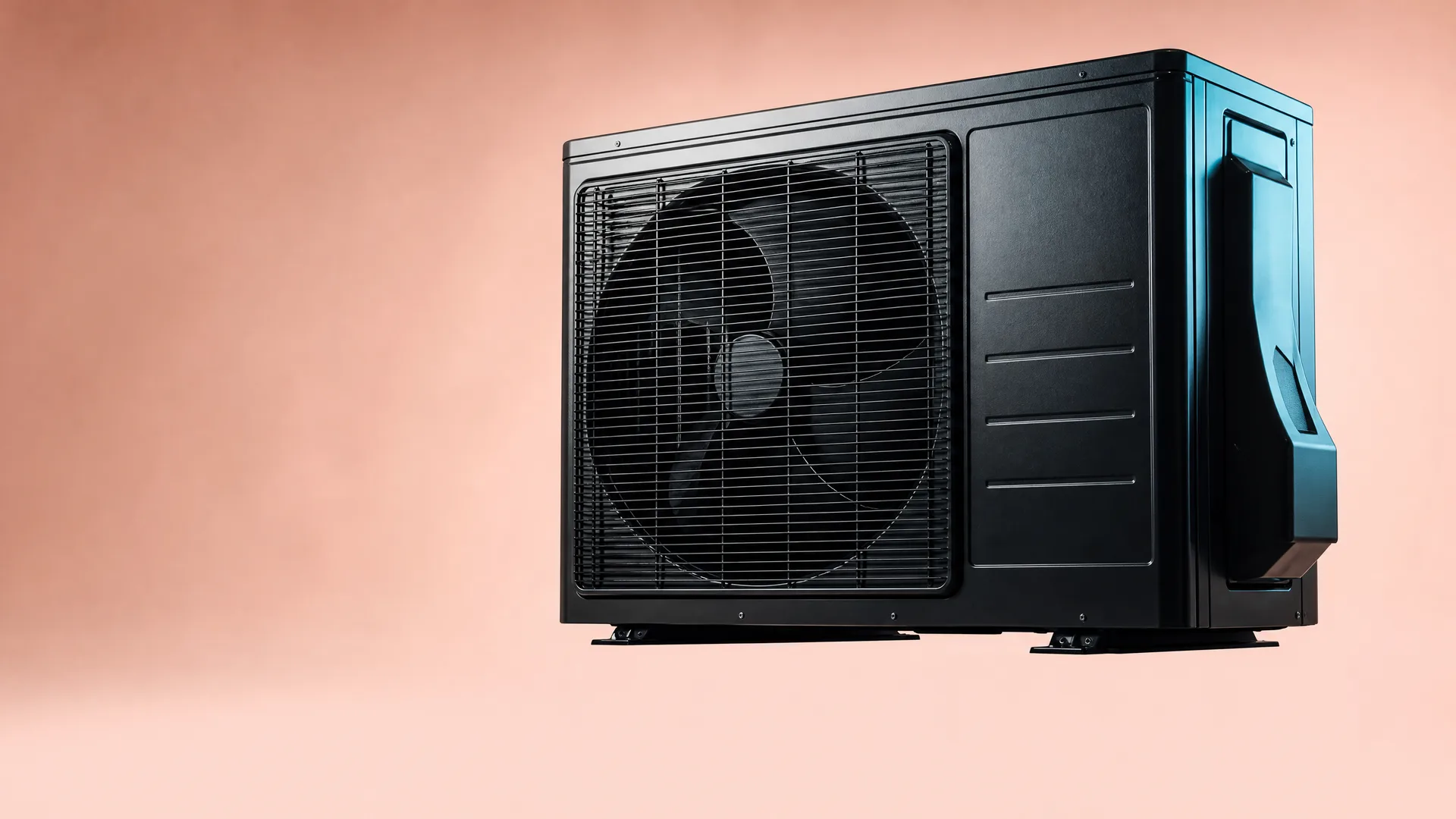
Electricity here runs 42.86 cents per kilowatt-hour, more than any other state pays. A mini split's compressor throttling down instead of shutting off fully is what makes that rate bearable. Homes using air conditioning in this state used 9.7 million Btu (British thermal units, a measure of heat) of electricity for it in a year. That's the load an efficient unit is working against every month, not just a few.
What you're actually paying for
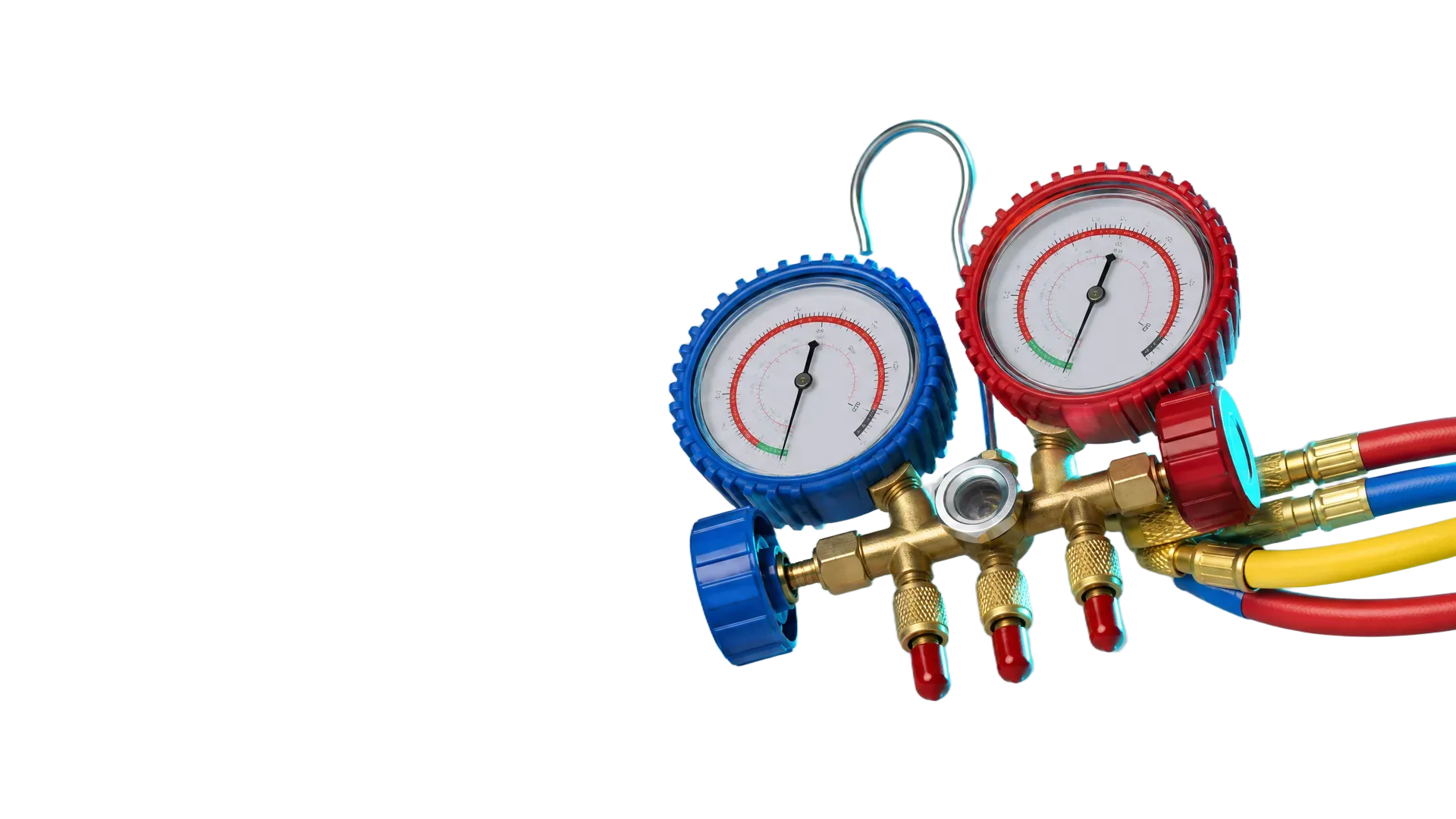
Most of what you pay for in a mini split install is labor, not the equipment. A contractor sizes the indoor head and outdoor compressor to the room itself, not just its square footage. Ceiling height, how many windows face the sun, and what's on the other side of the walls all change the load a room puts on the system. The line set, the copper tubing that carries refrigerant between the indoor head and the outdoor compressor, adds more cost the longer it runs, and every bend or joint in it is a place a leak can start later. The outdoor unit needs a mounting pad and clear space on all sides so it can pull in air and push it back out. Get that placement wrong and the system short cycles, which wears the compressor out early. Running the line set and electrical whip through a wall means core drilling, and the wall's construction decides how much work that is. The condensate drain has to pitch correctly for its whole run, or water backs up into the head instead of draining outside. None of this shows up in a brochure, but it decides whether the system holds its temperature for years or struggles from the start.
No month off
Cooling runs twelve months a year here, longer than in any of the other 49 states, and summer afternoons average 84°F. No other state asks a mini split to work this many months straight. That's the baseline to size against, not the mild stretch a system gets almost everywhere else.
Electricity here costs more than anywhere else, so a mini split sized right pays you back every month.
Tell us about the job
Takes about a minute. No obligation.
Fill out the form once and a licensed contractor who installs mini splits in your county will reach out.