
AC Repair in Hawaii
Electricity costs homes more in Hawaii than in 49 of the other 49 states.
Tell us about the job
Takes about a minute. No obligation.
- 84°Fsummer afternoon high where people live
- 12 monthsof cooling, January through December
- 42.86¢ per kWhwhat homes paid for power in 2024 (kWh means kilowatt hours, the unit on an electric bill)
- 2hail events from 2015 to 2024
What does an AC in Hawaii face?
How hot do summer afternoons get?
84°Faverage afternoon high where people live
Alaska66°F
Arizona101°F
How many months does the cooling run?
12 monthsof cooling a year
Alaska0 months
Hawaii12 months
What does electricity cost?
42.86¢per kWh, what homes paid in 2024
North Dakota11.51¢
Hawaii42.86¢
How often do storms hit?
59severe weather events per county from 2015 to 2024
Alaska5
Wyoming1,057
How many homes lost power for a day or more?
14%of homes in 2024
Arizona7%
Maine54%
Running every month of the year
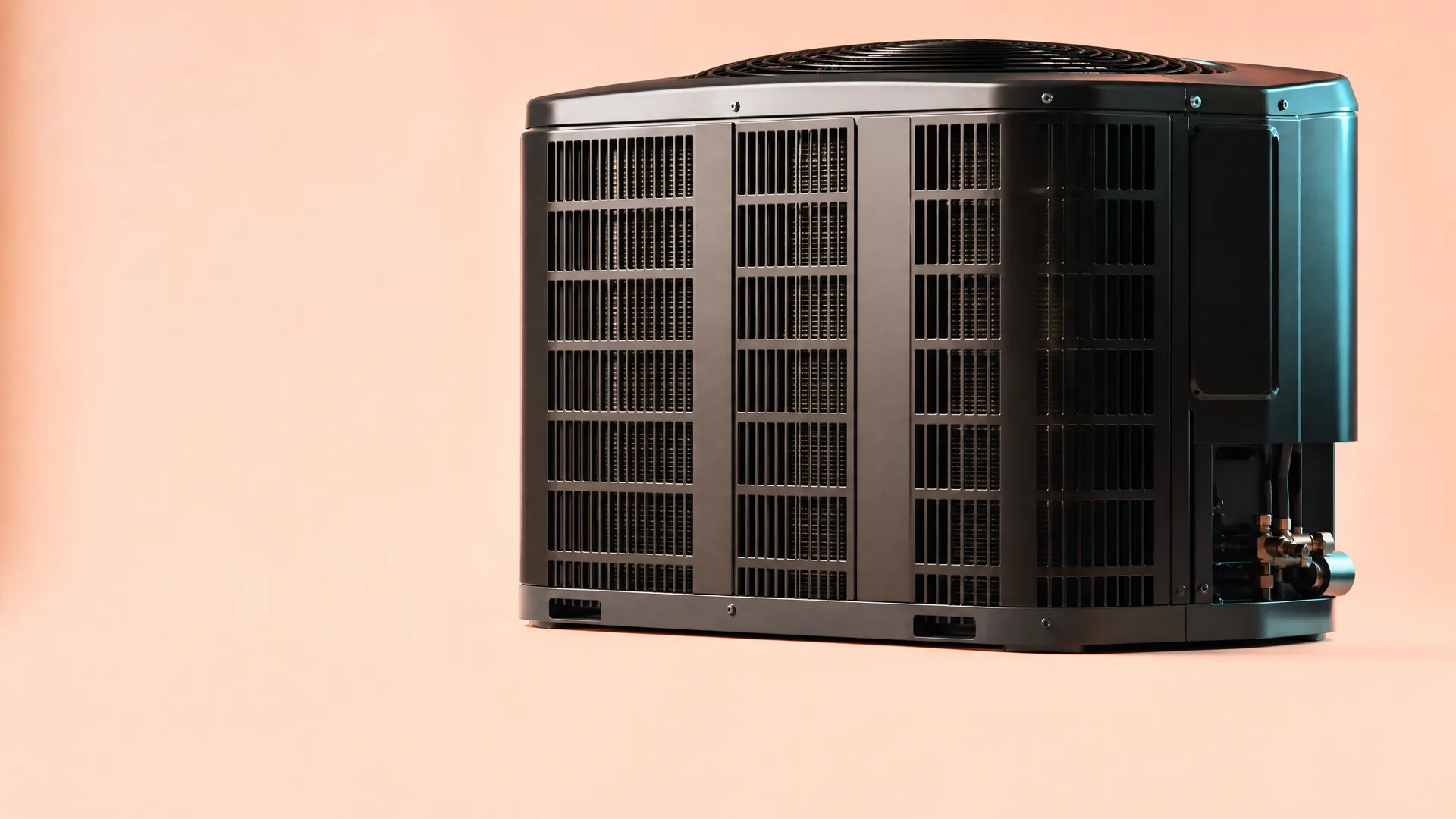
Cooling runs here from January through December, every month of the year. There is no spring or fall where the system gets a break. Afternoons average 84 degrees across the summer months, and that heat keeps the compressor cycling on long after it would have shut down for the season somewhere else. A system that never gets a slow stretch wears on its parts sooner. When the capacitor or the contactor finally gives out, it is usually from that steady load, not from one bad day.
A newer house usually means a fixable system
Half the homes in Hawaii were built in 1980 or later, which puts a lot of systems within reach of a straightforward fix rather than a replacement. Houses here run mostly single-family, detached or attached, the kind where a contractor can get to the condenser and the air handler without much trouble. If your AC came with a newer house, there's a good chance the fix is a part, not the whole unit.
The most expensive place in the country to run a struggling AC
A system working harder than it should costs you for every month it keeps running that way.
Electricity here costs more than it does anywhere else in the country, 42.86 cents a kilowatt-hour. Hawaii homes that run air conditioning put an average of 9.7 million Btu (British thermal units, a measure of heat) a year into it, and that bill is built on a unit running the way it should. A low refrigerant charge or a weak capacitor makes the compressor pull more power to do the same job, and at these rates that difference shows up fast. The longer a problem like that sits, the more it costs you before it even gets fixed.
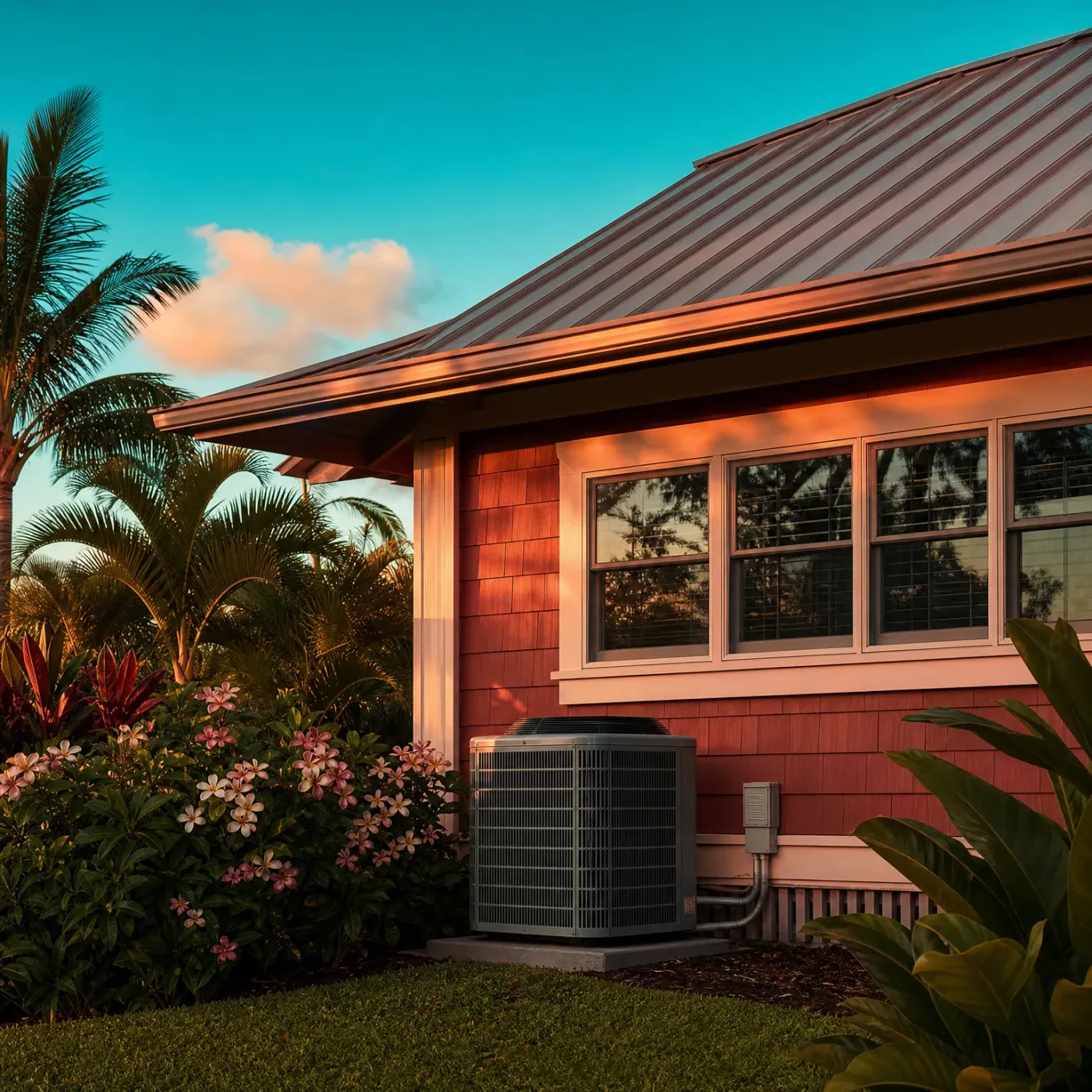
Cooling needs are not the same across the state. Homes in the western counties need about 51% more cooling over a year than homes in the eastern counties, and summer afternoons average 85°F out west against 81°F in the east. If your house is on the western side, the system is doing more work in a given month than an identical system would do on the eastern side.
Honolulu County carries the heaviest cooling need in the state. Homes there need about 53% more cooling over a year than homes in Maui County, where the need is lowest. Two systems the same age, one in each county, won't show wear on the same schedule.
That gap changes where to start looking when something goes wrong. In the counties with the heavier load, a compressor or capacitor that's been cycling harder for years is a reasonable first suspect. In Maui County, with the lightest load in the state, a sudden problem is less likely to be ordinary wear and more worth a closer look for something specific, like a refrigerant leak or a wiring issue.
Hawaii already runs cooling more months of the year than every other state. Layer the west-versus-east and Honolulu-versus-Maui gaps on top of that, and a system in the western counties or in Honolulu County is working harder, on more days of the year, than almost anywhere else a system like it might sit.
Twelve months of cooling, no break The system runs harder than most
- Western counties need about 51% more cooling than eastern ones
- Summer afternoons average 84°F where people live
- Cooling runs January through December
- 2 hail events from 2015 to 2024
- 153 damaging wind events from 2015 to 2024
- 14% of homes lost power a day or more in 2024


- A diagnosis that checks the compressor, the capacitor, and the refrigerant charge before anyone names a part to replace
- Leaks get sealed, not just topped off, so the charge holds instead of running low again
- Warm air blowing gets traced to its actual cause, whether that's a dirty coil or a failing compressor
- A frozen coil gets looked at for the low charge or blocked airflow behind it, not just thawed out
- An honest read on whether the unit is worth fixing or near the end of its run
What a diagnostic visit actually covers
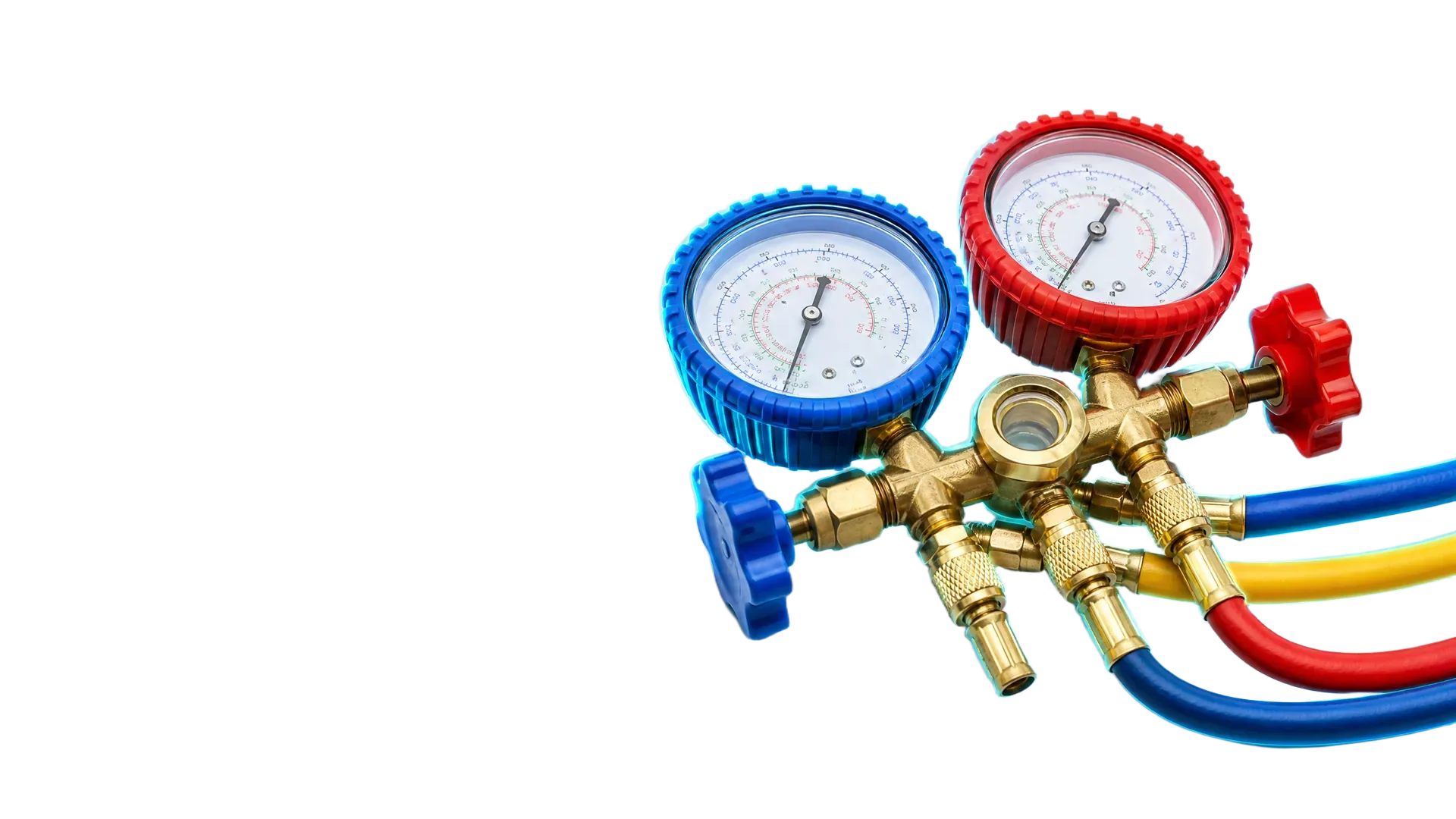
A tech starts outside at the condenser, checking that the fan spins freely and the coil isn't caked with dirt that blocks airflow. Gauges go on next to read the refrigerant charge, since a system low on refrigerant will run long and still not cool the house. Inside, the evaporator coil gets checked for ice or grime, either of which chokes airflow the same way a dirty filter does. The capacitor and contactor get tested under load, not just looked at, because a capacitor can look fine sitting still and still fail to kick the compressor on. If the air coming out is warm, the tech is working backward from that symptom through the parts that could cause it, not guessing. A refrigerant leak gets found and sealed before any refrigerant goes back in, because topping off a system that's leaking just means doing it again in a few months. By the end, you should know which part failed, why it failed, and whether it's worth repairing or whether the unit's age and condition make replacement the better call.

Hawaii homes are older than in 25 of the other 49 states, which puts the state right in the middle. That's worth knowing if you're trying to guess your system's age from the house alone, since a house here is about as likely to be old as new.
Single-family houses, detached or attached, make up 62.6% of homes in Hawaii. In most of those, a contractor can reach the condenser outside and the air handler inside without working around shared walls or a cramped setup built for something else.
Your AC runs every month of the year here, with no season off to recover in.
Tell us about the job
Takes about a minute. No obligation.
Fill out the form and a licensed Hawaii contractor will reach out about what's failing.