
Heat Pump Repair in Hawaii
Homes in Hawaii run cooling for more months of the year than in 49 of the other 49 states.
Tell us about the job
Takes about a minute. No obligation.
- 65°Fwinter overnight low where people live
- 84°Fsummer afternoon high where people live
- 12 monthsof cooling, January through December
- 42.86¢ per kWhwhat homes paid for power in 2024 (kWh means kilowatt hours, the unit on an electric bill)
What does a heat pump in Hawaii face?
How hot do summer afternoons get?
84°Faverage afternoon high where people live
Alaska66°F
Arizona101°F
How cold do winter nights get?
65°Faverage overnight low where people live
North Dakota4°F
Hawaii65°F
How many months does the heat run?
0 monthsof heating a year
Hawaii0 months
Alaska12 months
What does electricity cost?
42.86¢per kWh, what homes paid in 2024
North Dakota11.51¢
Hawaii42.86¢
How often do storms hit?
59severe weather events per county from 2015 to 2024
Alaska5
Wyoming1,057
How many homes lost power for a day or more?
14%of homes in 2024
Arizona7%
Maine54%
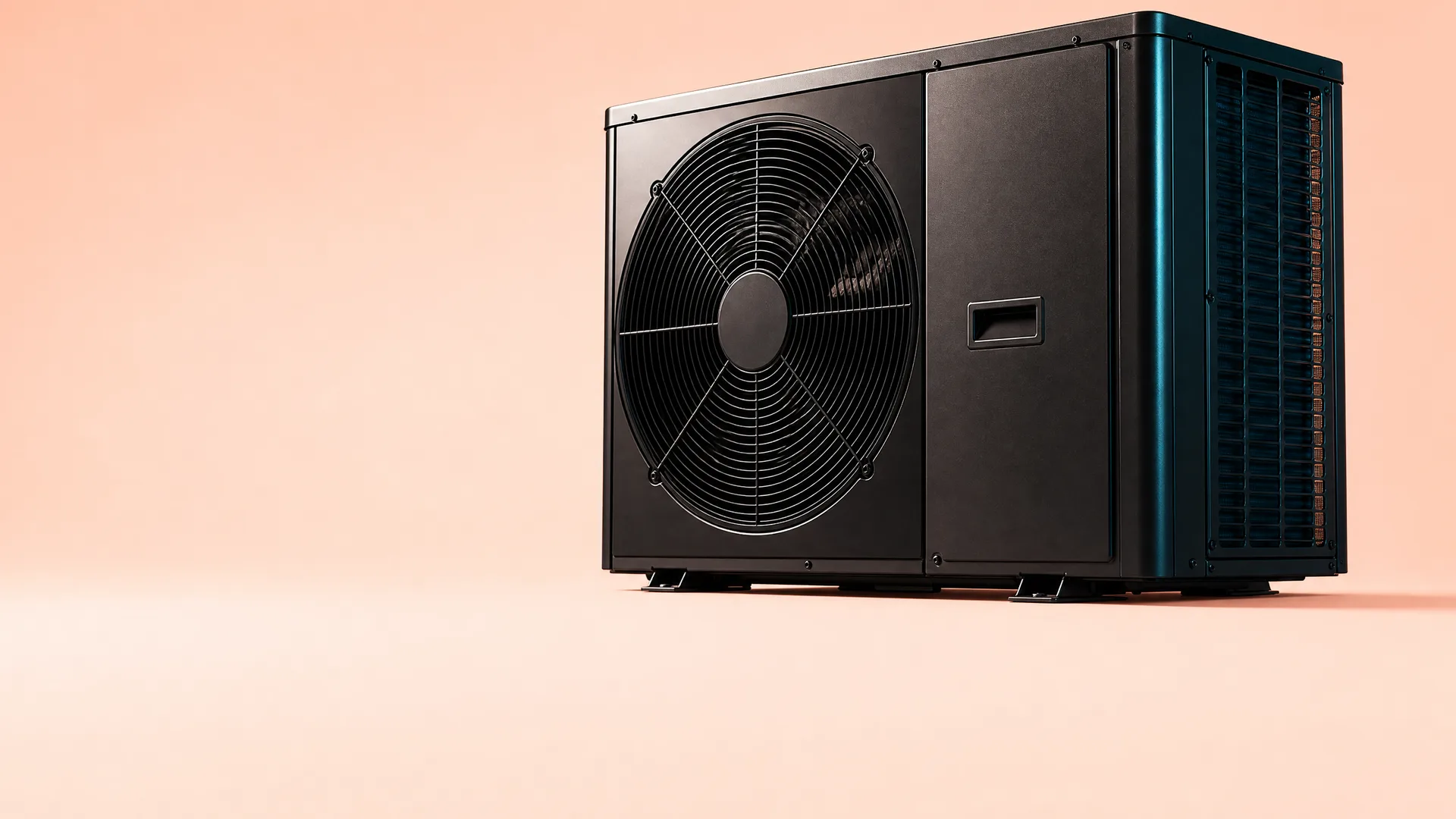
A heat pump that never really stops
A heat pump in Hawaii runs cooling in every month of the year, not just a stretch of summer. No other state asks a heat pump to work that many months straight. The compressor cycles on, shuts off, and cycles back on, day after day, all year, with no real break to coast through. That kind of steady use wears on it faster than a system that gets to sit idle part of the year, and the parts most exposed to heat and moisture, like the outdoor coil and the capacitor, tend to show trouble sooner here than they would somewhere with a real off season.
Electricity costs more for homes in Hawaii than anywhere else in the country.
A heat pump running on a weak capacitor or a dirty coil costs more here each month than the same problem would cost somewhere else.

A newer house usually means a newer system
Fixing it makes sense when the system underneath still has years left
Half the homes in Hawaii were built in 1980 or later. If yours is one of them, the heat pump itself may not be old at all, even if it's been working hard. A system that still has years left in it is worth repairing rather than replacing. Get the compressor or coil problem fixed now, and a newer system should keep running the rest of its years without much trouble.
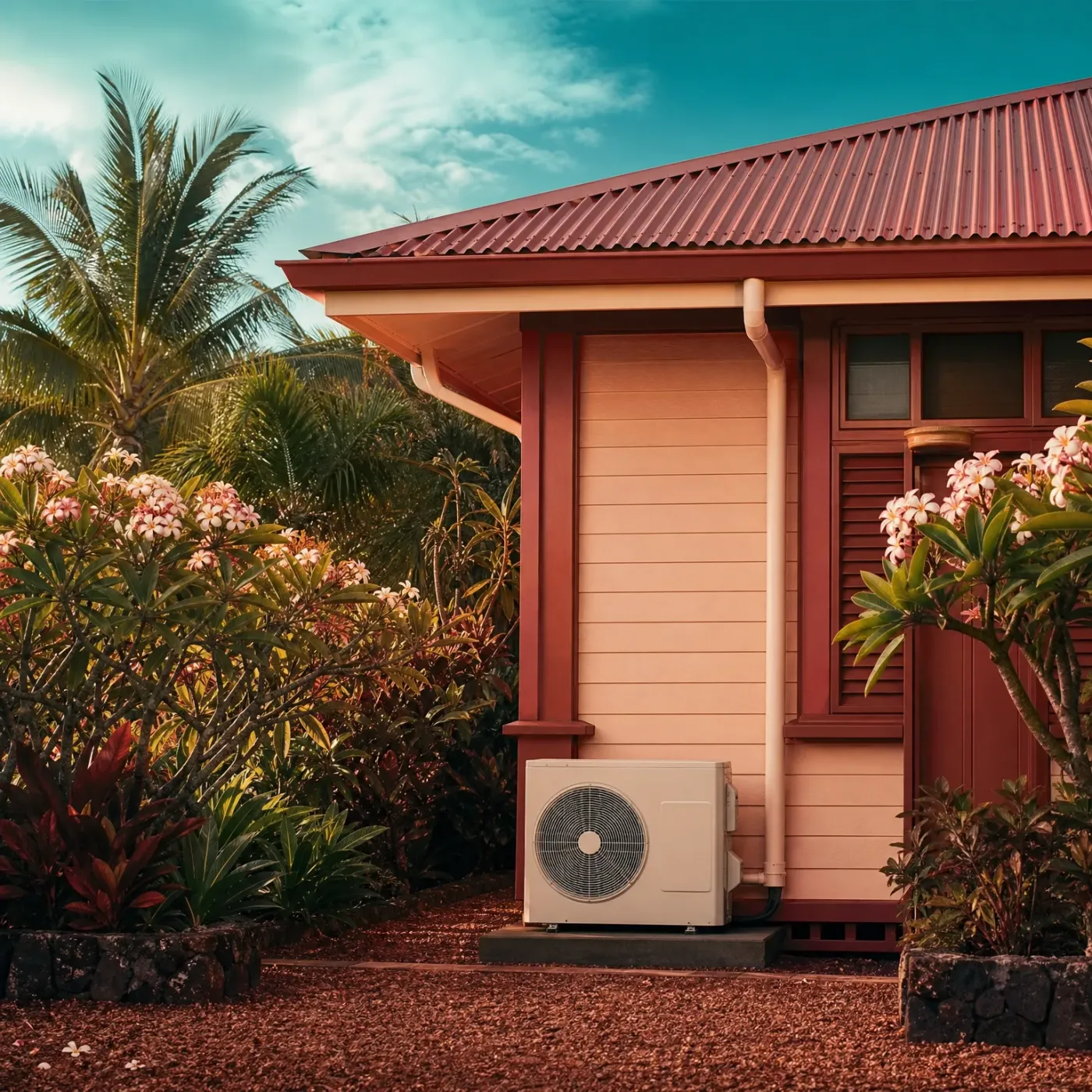
Western counties need about 51% more cooling over a year than eastern counties. A heat pump on the western side is cycling more, year round, and that is where compressors and capacitors tend to give out first.
Within a single county the gap is just as wide. Honolulu County needs about 53% more cooling than Maui County, where the state's cooling need runs lowest. Two systems in the same state can be aging at very different rates depending on which one they sit in.
Summer afternoons average 85°F across the western counties against 81°F across the east. The west stays warmer, which is why its heat pumps rarely get a stretch to just sit.
Homes here run cooling about twelve months a year, January through December, longer than homes in every other state. A heat pump in Hawaii does not get the slow season that lets a system elsewhere coast for a few months. If something is dragging on yours, that is worth knowing before guessing at what is wrong, since where you are in the state points to what is likely worn first.
Twelve months of cooling, no real rest Every county, every year, statewide
- Western counties need about 51% more cooling than eastern ones
- Winter nights average 65°F where people live
- Summer afternoons average 84°F where people live
- Cooling runs January through December
- 12 winter storms from 2015 to 2024
- 14% of homes lost power a day or more in 2024


Newer homes, systems with life left
Half the homes in Hawaii were built in 1980 or later, and most of the state's housing is detached or attached single-family houses rather than multi-unit buildings. If your heat pump came with a newer house, there's a good chance the system itself is not old, even after years of year-round cooling. That matters when something breaks. A compressor or coil problem in a system that still has years ahead of it is worth fixing. The house being newer doesn't tell you the system's exact age, so check the install date if you have it, but newer construction is a reason to lean toward repair rather than replacement.
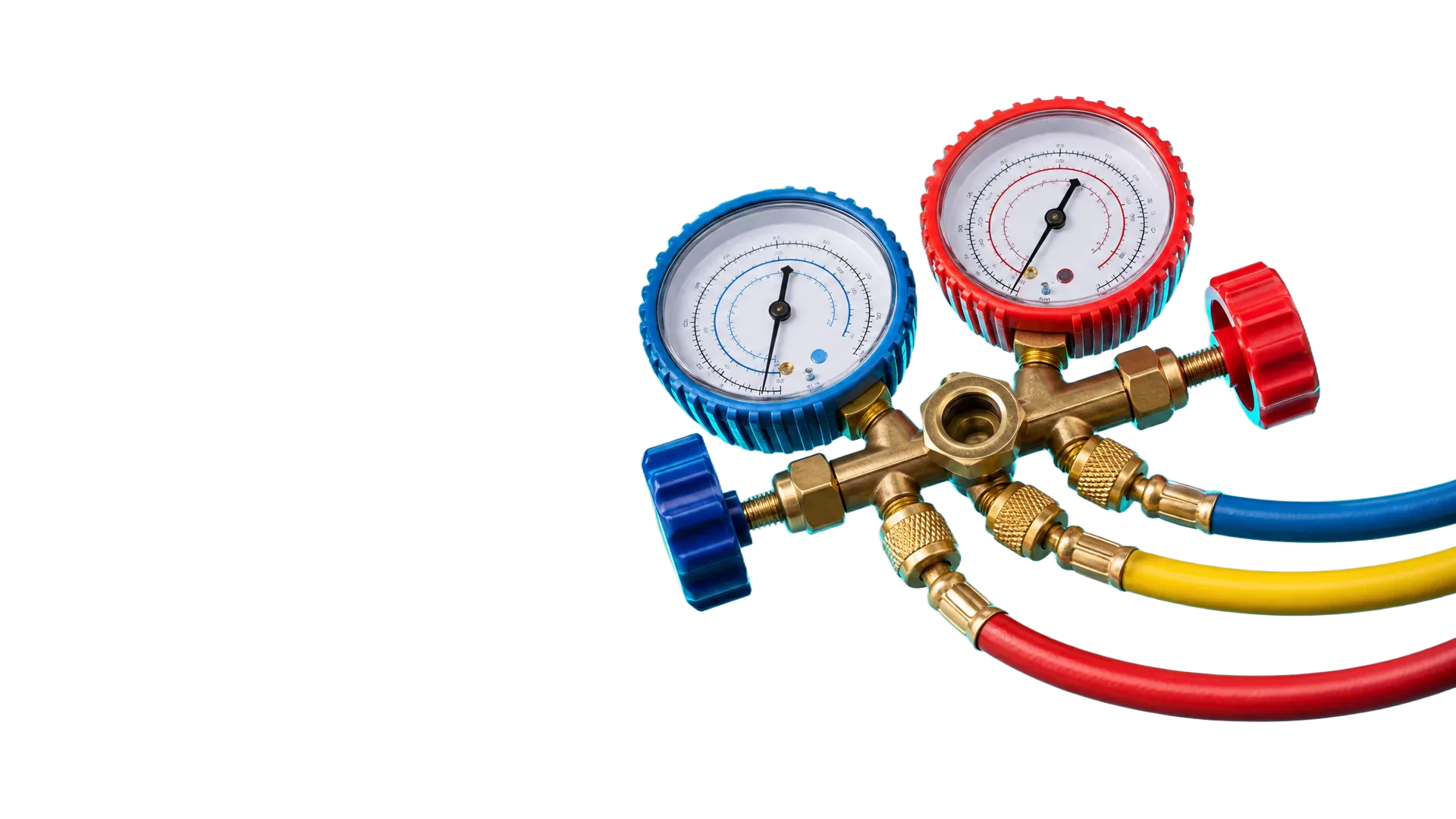
Running it while something's wrong spreads the damage
A heat pump that's struggling doesn't fail all at once. It gives off signs first, and running it through those signs is what turns a small repair into a bigger one. A compressor low on refrigerant keeps trying to hit the temperature you set, drawing hard on every cycle, and that strain is what burns it out early. A failing capacitor makes the compressor or fan motor labor to start, and each hard start wears the motor windings down a little more until one of them stops starting at all. A coil caked with dirt can't shed heat properly, so the compressor runs longer and hotter to do the same job, and heat is the thing a compressor tolerates least. Ice on the outdoor coil means airflow is already blocked somewhere, and a system left running iced up can push liquid refrigerant back into the compressor, which it isn't built to handle. None of this is a reason to shut the system off and wait. It's a reason to get the actual problem looked at before it spreads from one part to the next.
When it's one part, and when it's the whole system
A heat pump is worth repairing when one part has failed inside a system that's otherwise sound. A bad capacitor, a failed contactor, a control board that's stopped sending signal, these are contained problems. Fix the one part and the rest of the system picks back up. The compressor is a different question. It's sealed, so a tech can't open it up and replace what's worn inside. A failing compressor usually means replacing the compressor or the whole system, and that's a real decision, not a quick repair. Refrigerant leaks sit in between. A leak at a fitting is a straightforward fix. A coil that's corroded through and keeps leaking from the same spot is telling you the coil is failing, not just the seal on it. How the system has been running matters too. One that's had its filters changed and coils cleaned and is only now throwing a single fault is a good candidate for repair. One that's had a run of separate problems close together, a capacitor last year, a sensor before that, a compressor strain now, is wearing out all over, not failing in just the one place you're looking at.
Cooling runs all year here, so a weak capacitor or dirty coil is costing you right now.
Tell us about the job
Takes about a minute. No obligation.
Fill out the form once and a licensed contractor in your county calls you about the actual problem.