
AC Maintenance in Hawaii
Electricity costs homes more in Hawaii than in 49 of the other 49 states.
Tell us about the job
Takes about a minute. No obligation.
- 84°Fsummer afternoon high where people live
- 12 monthsof cooling, January through December
- 42.86¢ per kWhwhat homes paid for power in 2024 (kWh means kilowatt hours, the unit on an electric bill)
- 2hail events from 2015 to 2024
Electricity costs more here than anywhere and a neglected AC wastes it all year
- Western counties need about 51% more cooling than eastern ones
- Summer afternoons average 84°F where people live
- Cooling runs January through December
- 2 hail events from 2015 to 2024
- 153 damaging wind events from 2015 to 2024
- 14% of homes lost power a day or more in 2024

Half of Hawaii's homes date from 1980 or later
AC runs here every month of the year, January through December, more months than in any other state.
There's no real off season to catch a worn part before it gets used hard, so it pays to have it looked at on a schedule you set.
What you can check yourself between visits
Small habits that keep the system from working harder than it has to
Between visits, the filter is the one thing worth checking yourself. A dirty filter chokes airflow across the coil, and a coil that can't breathe gets colder than it should, to the point where moisture on it turns to ice instead of draining away. Look at it, and if light doesn't pass through it clean, replace it. Outside, keep the area around the condenser clear. Grass clippings, leaves and dirt block the fins that let the unit shed heat, and when it can't shed heat the compressor works harder than it was built to. A hose can rinse the fins off from the inside out, pushing debris back the way it came in rather than deeper into the coil. Inside, check that the drain line isn't backing up. That line carries condensation out of the house, and when it clogs, water backs up into the pan or the drywall around the air handler. A cup of vinegar poured down the line a few times a year keeps algae from building a clog. None of this replaces a technician going into the refrigerant charge, the electrical connections or the blower motor, but it keeps the system from being worked harder than it needs to be between those visits.
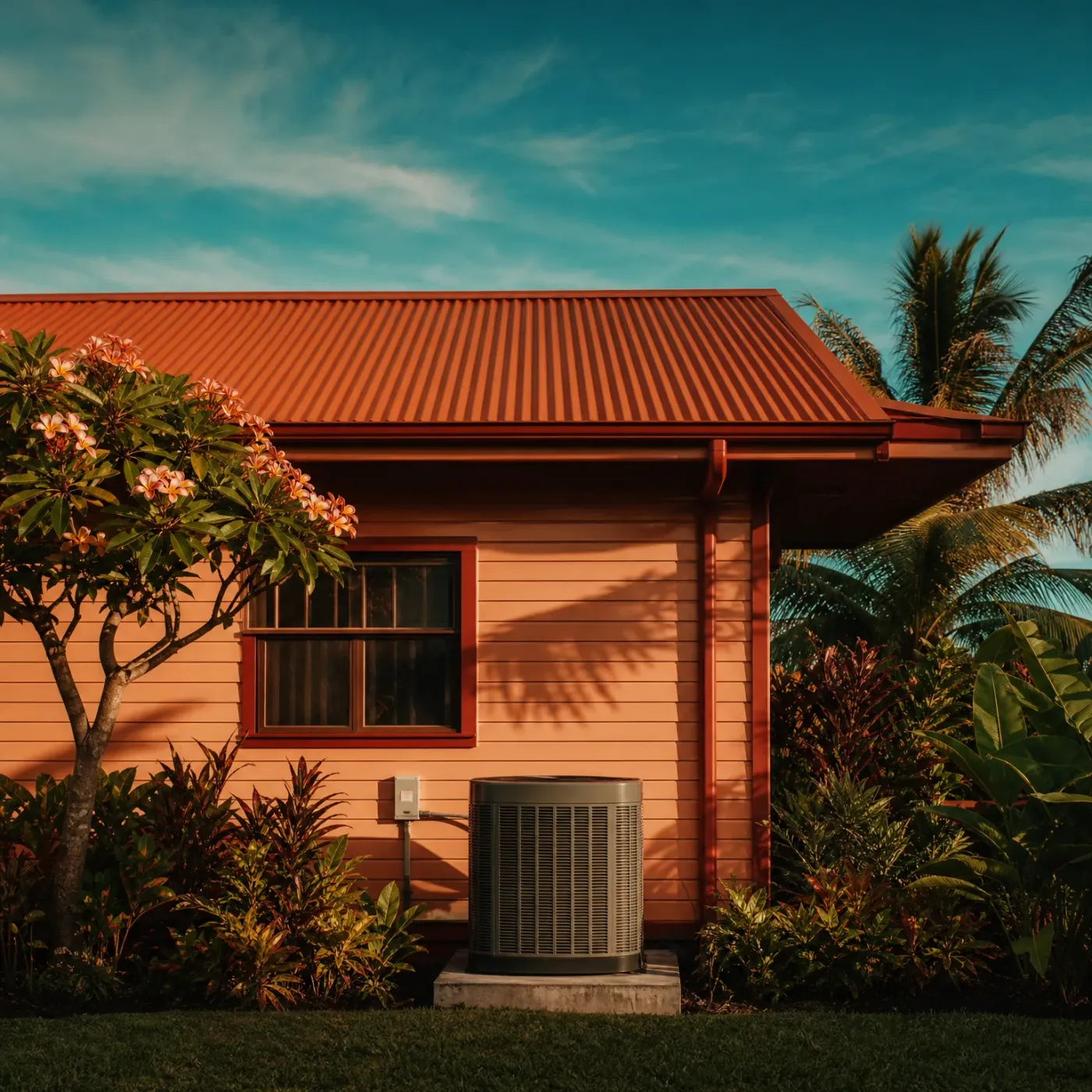
Cooling need isn't the same across the islands. Homes in the western counties need about 51% more cooling over a year than homes in the eastern counties, and summer afternoons run 85°F against 81°F. If you're in one of those western counties, that's a system working noticeably harder, year-round, than one a short flight away.
Honolulu County sits at the high end. Homes there need about 53% more cooling over a year than homes in Maui County, where the state's cooling need is lowest. Two homes, same state, different workload on the equipment.
None of this changes what to do, only when. A system in a high-demand county is putting in more hours between January and December than one in Maui County, so there's less room to let a worn part go unnoticed. If you're in Honolulu or elsewhere on the hotter side of the state, that argues for not stretching the interval between checks. In Maui County, the same schedule still makes sense, the system just isn't being pushed as hard to get there.
What does an AC in Hawaii face?
How hot do summer afternoons get?
84°Faverage afternoon high where people live
Alaska66°F
Arizona101°F
How many months does the cooling run?
12 monthsof cooling a year
Alaska0 months
Hawaii12 months
What does electricity cost?
42.86¢per kWh, what homes paid in 2024
North Dakota11.51¢
Hawaii42.86¢
How often do storms hit?
59severe weather events per county from 2015 to 2024
Alaska5
Wyoming1,057
How many homes lost power for a day or more?
14%of homes in 2024
Arizona7%
Maine54%
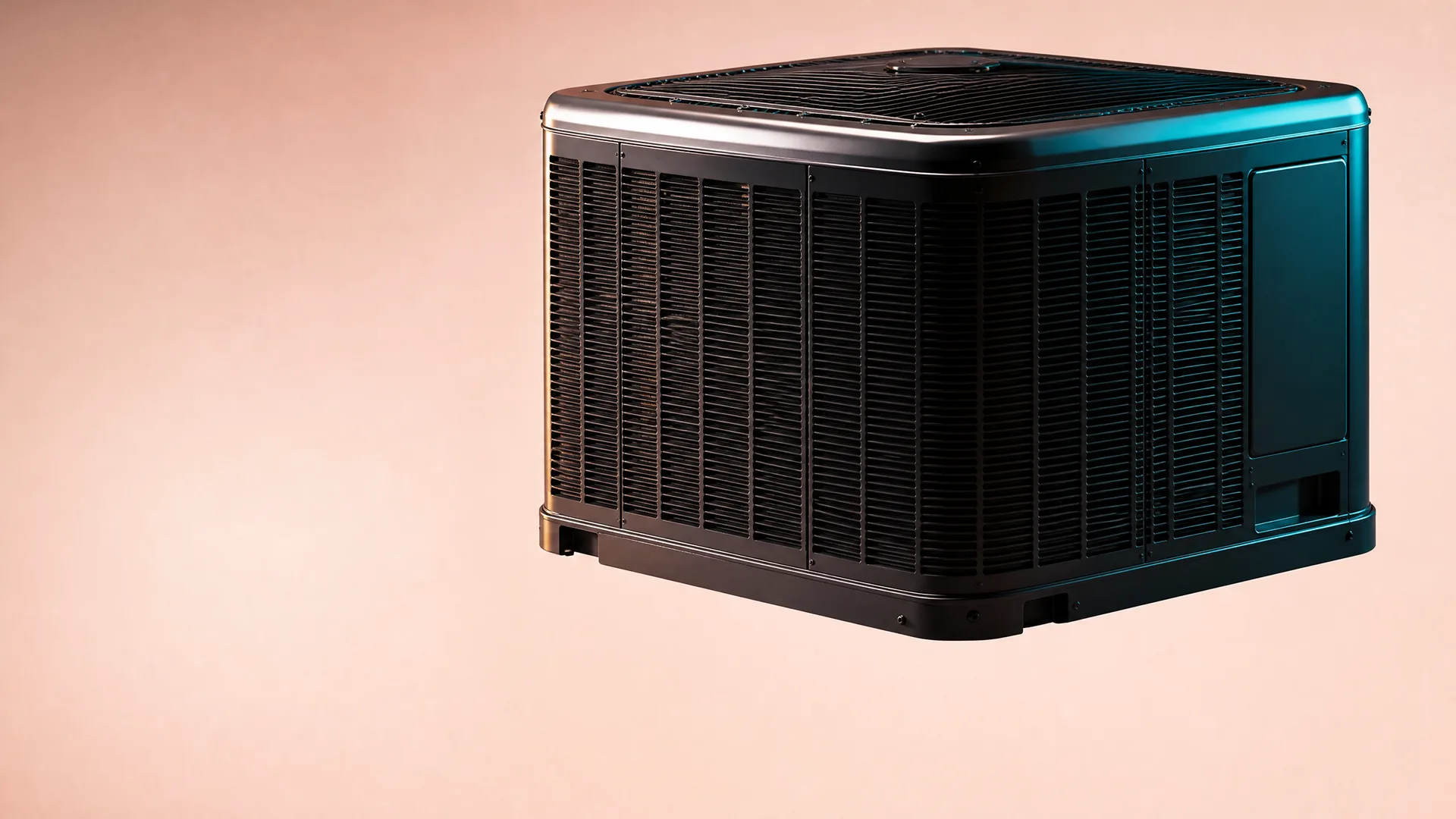
A system that never gets a season off
This runs twelve months a year here, January through December, with no stretch of cold weather to rest it. Summer afternoons average 84°F, hot enough that the system has to work for it rather than coast. A technician going over it checks the refrigerant charge, the electrical connections and the blower motor, the parts that a filter or a hose can't reach. With no real off season, a worn part doesn't wait for next year to show itself. It shows up in the next hot stretch, which here is any month at all.
What actually happens during a tune-up
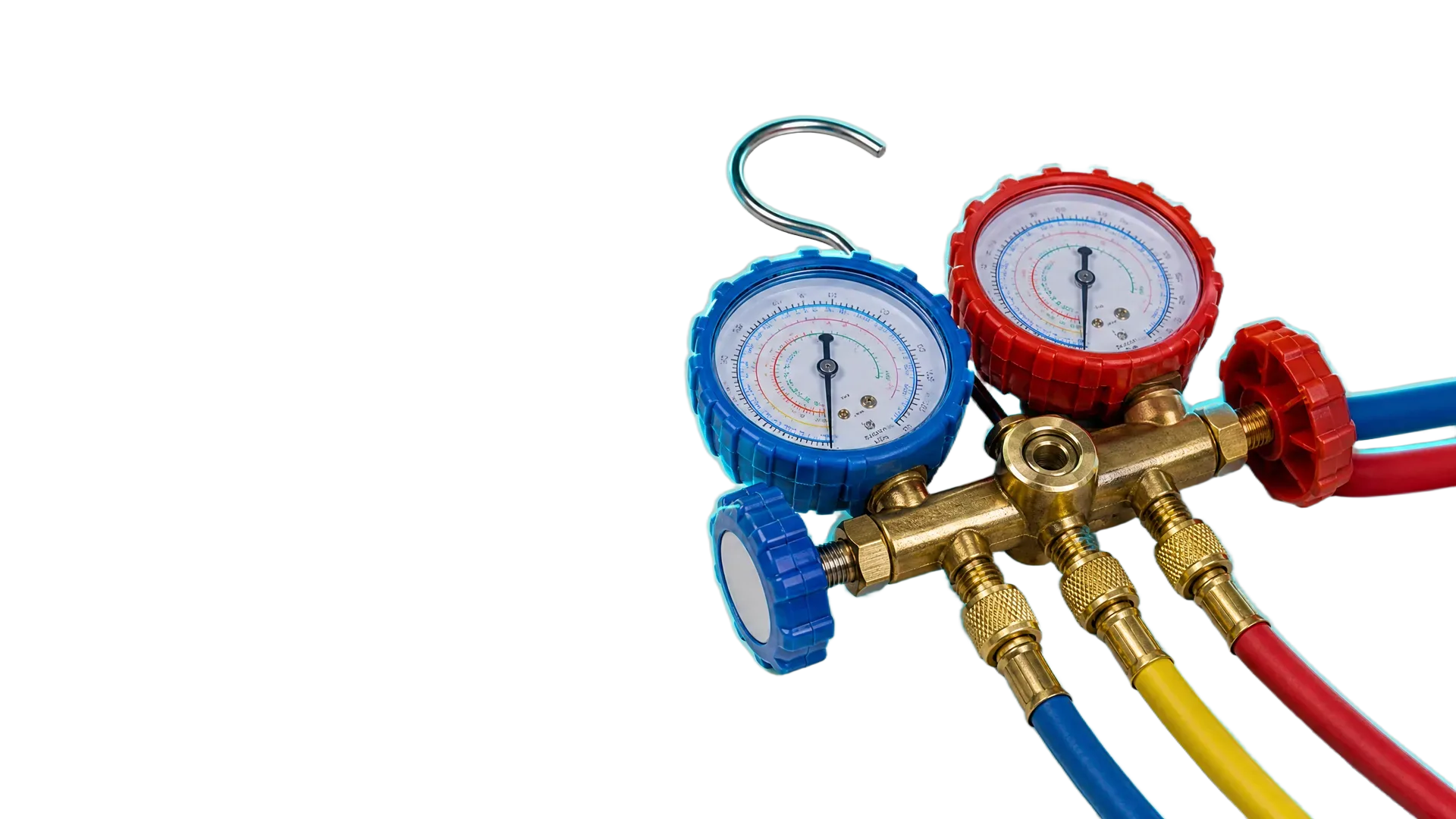
A tune-up starts with the refrigerant charge, checked against the manufacturer's spec rather than guessed at. Too little and the compressor works harder to produce less cooling. Too much and the compressor takes damage over time. The technician also tests the capacitors and contactors, the electrical parts that start and run the compressor and fan motors. A capacitor that's starting to fail makes a motor struggle to start, which wears it out sooner. The coils get checked too, the evaporator inside and the condenser outside. Both need to be clean to move heat the way they're built to, and a coil caked in dust makes the whole system work harder for the same result. The blower motor gets checked for wear and for airflow, since a system that can't move enough air across the coil won't cool well no matter how the refrigerant side looks. The drain line and pan get inspected for clogs, since a blocked line left alone leads to standing water. Thermostat operation and the safety controls get tested as well, confirming the system starts, cycles and shuts off the way it should. None of it is guesswork. It's a technician checking each part against what it's supposed to be doing, before it fails rather than after.
Half the homes in Hawaii were built in 1980 or later, which puts the state's housing on the newer side overall, older than only 25 other states. A system that came with a newer house, or was swapped into one, has a better shot at still being within its working life. That's worth something, but only if the parts inside it are actually checked, not assumed.
Most of the state's housing, 62.6%, is detached or attached single-family houses, the kind with their own outdoor condenser and their own system to maintain. That's not shared equipment in a building somewhere. It's one unit doing all the work for one house, year-round, and nobody else's maintenance schedule covers it but the owner's.
Electricity costs more here than anywhere else, and a neglected AC wastes it all year long.
Tell us about the job
Takes about a minute. No obligation.
Fill out the form once and a licensed contractor in Hawaii takes it from there.