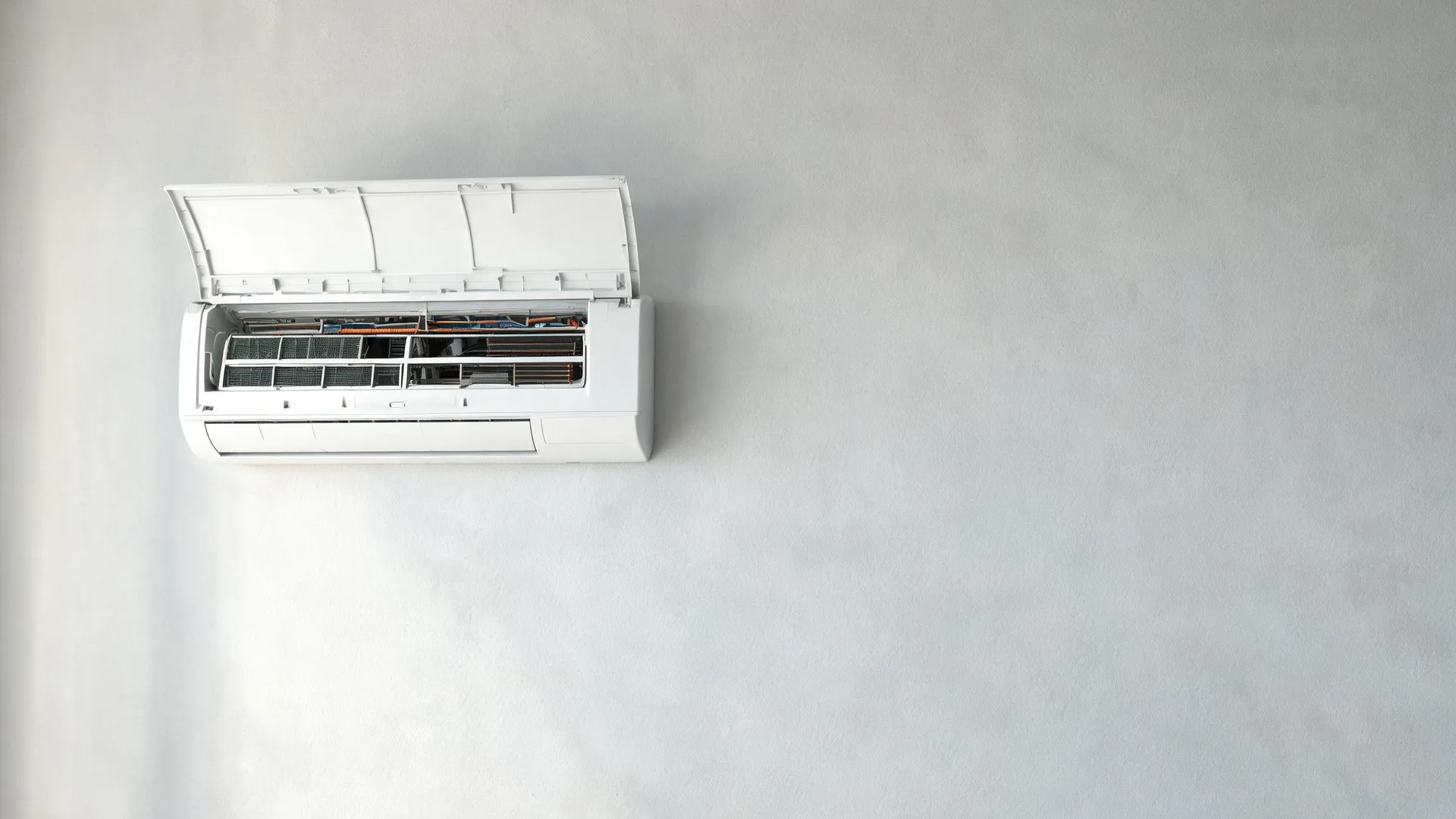
Electricity here runs 42.86 cents a kilowatt-hour
Hawaii homes paid that rate in 2024, among the highest in the country. An air conditioner pulling power in Kahului costs more to run than the same unit almost anywhere else.
Takes about a minute. No obligation.
Hawaii homes paid that rate in 2024, among the highest in the country. An air conditioner pulling power in Kahului costs more to run than the same unit almost anywhere else.
A coil caked with dust or a refrigerant charge that has dropped makes the compressor work harder for the same cooling. At this price per kilowatt, that extra draw shows up fast.

NOAA 1991–2020 monthly normals
Half the homes in Maui County were built in 1985 or later.
A system that age still has a lot of life left, and a yearly check keeps it running the way it did when it was new.



A yearly check costs a lot less than the extra power a struggling system pulls month after month. Have the coil cleaned and the refrigerant charge checked before the heat of the day finds the weak spot. A technician can catch a slipping charge or a dirty coil before the compressor starts working overtime to make up for it. At what Hawaii homes pay per kilowatt-hour, that overtime adds up fast. The visit is cheap next to what a neglected system spends trying to do the same job.
A system built in 1985 or later still has years ahead of it. A yearly check is what keeps it getting through the cooling months the same way it does now.
Find a contractorAfternoon highs average 81 in June, July and August, and the system answers to that same load every month of the year. There's no stretch where it idles long enough for a tech to catch a slipping part before the next run of heat finds it. Get the coil and charge checked on a schedule you set, not one the weather sets for you.
A clogged filter starves the system of airflow. The blower has to push harder to move the same amount of air, and the coil behind it can ice over when air moves too slowly across it. Swapping or washing the filter on a regular basis is the one job that keeps everything downstream working the way it should.
Dust on the evaporator coil acts like a blanket, so heat cannot transfer out of the air the way it should. A clogged condensate drain backs up water into the pan, and from there it finds the nearest ceiling or wall. Neither problem makes noise or triggers a breakdown right away. They just make the system work harder and wait longer until something gives.
A system can be running and still be worth a look. Warm air from a vent that used to run cold is one sign, even if the house still cools down eventually. A hissing or bubbling sound near the indoor unit points to refrigerant trying to escape through a line it should not be leaving. Ice on the copper line or the coil itself means airflow or charge is off, and running it longer only builds more ice, not more cooling. Water around the indoor unit means the drain line is already clogged, not about to clog. A compressor that used to kick on and settle into a steady hum but now clicks, hums, and shuts off without starting is straining to do something it used to do without effort.
A tune-up starts with the coil, not the filter. A technician pulls the panel and checks the evaporator coil and the condenser coil for dust and grime, since either one coated in dirt stops heat from transferring the way it should. The refrigerant charge gets checked against what the system calls for, because too little and the compressor strains, too much and it can flood back liquid refrigerant into a part built to handle gas. Electrical connections get tightened, since a loose one heats up and burns before anything else fails. The condensate drain gets flushed so it cannot back up later. The blower motor and fan blades get checked for wear, since a motor running rough now is the one that seizes later. None of this shows up by looking at the outside of the unit. It only shows up when someone opens it and checks.