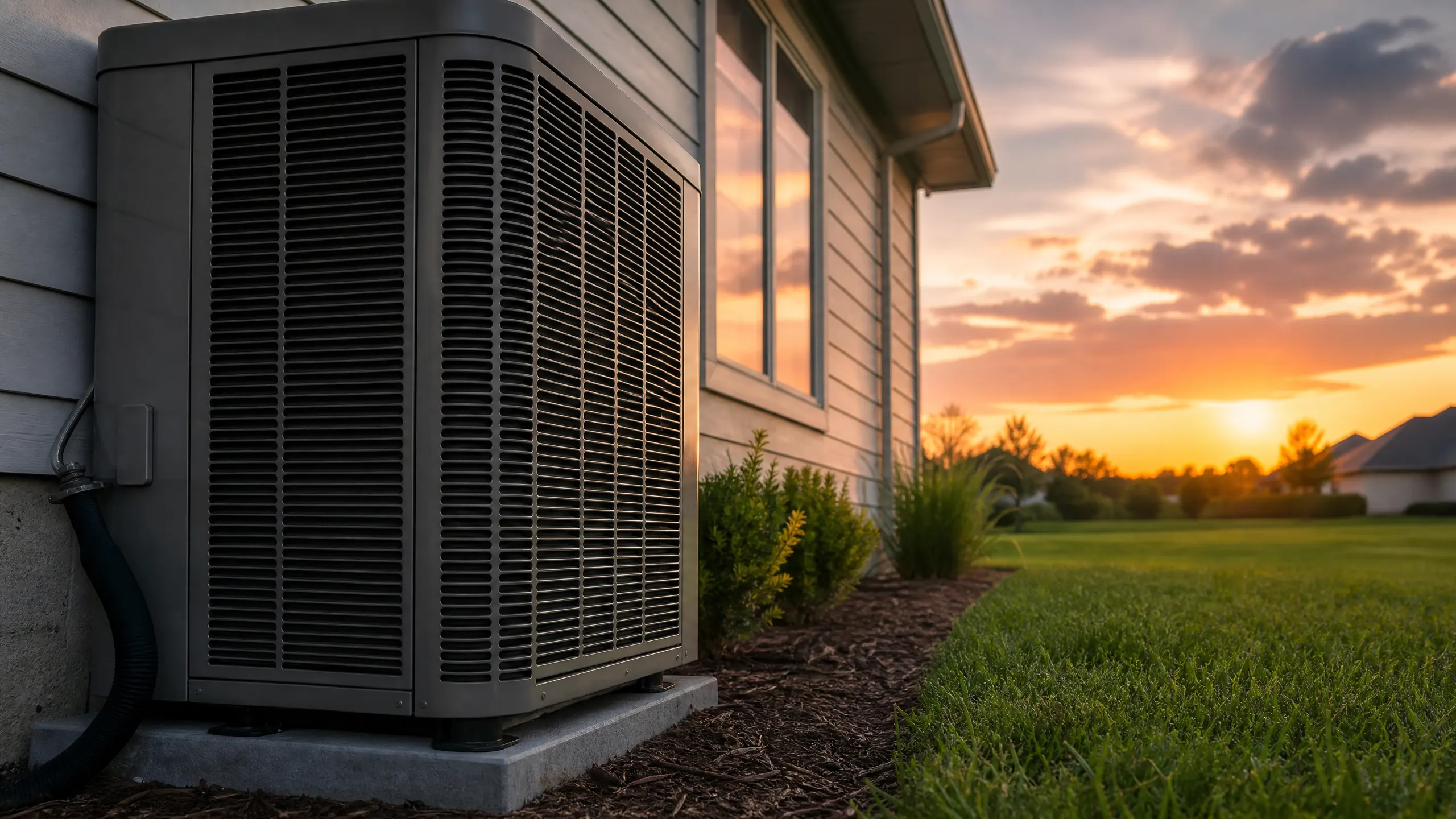

An outdoor air conditioning condenser unit mounted on a concrete pad beside a house at sunset.

Heat Pump Repair in Honolulu, HI

Tell us about the job

Takes about a minute. No obligation.

RepairHeat PumpHonolulu County, HI
Step 1 of 2

What ZIP code is the job in?

Half the homes in Honolulu County were built in 1977 or earlier, and half in 1977 or later. That split doesn't point to one kind of wiring or one kind of ductwork, so a heat pump acting up here isn't a sign of something unusual about the house. It's more likely the same handful of things that wear out on any heat pump after a few years of regular use. A capacitor weakens. The refrigerant charge drops low. A contactor wears out and starts sticking. A contractor checks these first because they're the parts that fail most often, not because Honolulu homes are harder on a system. If your heat pump is struggling, there's a good chance it's one of these, and a good chance it's fixable.

66°F
the average winter night it heats against
85°F
the average summer afternoon it cools against
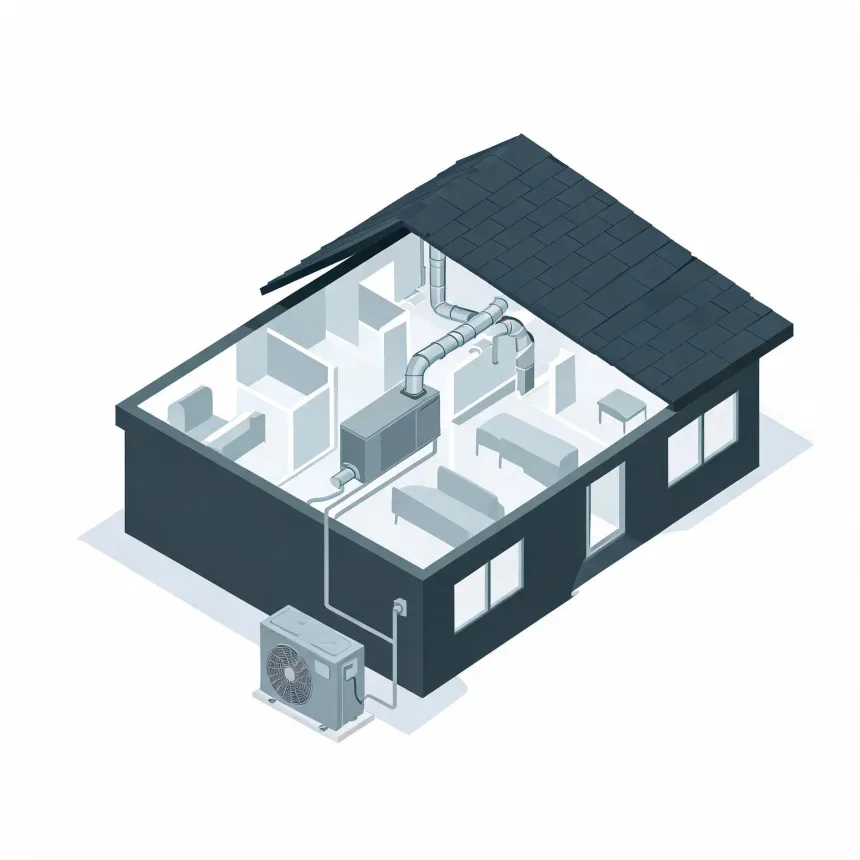
Isometric cutaway illustration of a single-story house showing interior rooms, ceiling ductwork connected to an air handler, and an outdoor condenser unit linked by a line set.

Honolulu runs its heat pumps for cooling nearly every month of the year, and electricity here costs 42.86 cents per kilowatt-hour, well above the national average.

A heat pump that's struggling to keep up costs more to run every month it goes unfixed, so there's little reason to wait on a repair.

The age of the unit matters more than what's wrong with it right now. A heat pump that's a few years old is usually worth fixing no matter what broke. One nearing the end of its expected life is a different question, especially if this isn't the first repair. Ask what the compressor is doing before you decide anything. A failed capacitor or contactor is a straightforward fix and doesn't say much about the rest of the system. A compressor that's failing, or a refrigerant leak that keeps coming back, is a sign the unit itself is wearing out, not just one part of it. If a contractor tells you the compressor is going, that's usually the point where repair stops making sense and replacement does.

Get the usual fix

Nothing about this area is especially hard on it. It's most likely the usual problem with the usual fix.

Find a contractor
A dark gray heat pump unit mounted on a concrete pad next to a house with gray siding and a stone veneer wall.

What to check before you call

Start with the thermostat. Make sure it's set to heat or cool, not just fan, and that the set temperature is actually above or below the room temperature. A heat pump won't run if it thinks it already hit the target. Go outside and look at the outdoor unit. The fan should be turning. If it's dead quiet and nothing's moving, that's worth telling the contractor before they arrive. Ice on the coil or the refrigerant lines is also worth noting, but leave it alone. Chipping at it or hosing it down can bend a fin or crack a line. Check the filter. A filter packed with dust and pet hair chokes off airflow, and a heat pump starved for air will run long and still not keep up. It's the one thing on this list you can fix yourself without tools. Walk the house and feel the vents. Weak airflow at every vent points toward the blower or the filter. Air that's the wrong temperature, cool air when it should be warm, points toward the refrigerant side instead. Last, check the breaker panel. A tripped breaker, or one that's warm to the touch, is something the contractor needs to know before they start.

Short cycles that don't keep up

A heat pump that shuts off a couple minutes after starting, then starts again a few minutes later, isn't finishing a full cycle. It's a sign of a refrigerant leak, a failing compressor, or a sensor telling the system to stop too soon. The house never quite gets to temperature because the unit never runs long enough to move enough air.
Noise that wasn't there before

A new rattle, buzz, or grinding sound usually means something is loose, worn, or about to fail outright. A loud bang at startup or shutdown often points to a part inside the compressor. Noise is one of the earliest warnings a heat pump gives, and it usually shows up before the unit stops working altogether.

A diagnostic visit starts outside, at the unit itself. A contractor checks for voltage at the contactor, tests the capacitor's output against what it's rated for, and checks the refrigerant pressure on the gauges. From there it depends on what the numbers show. Low refrigerant means looking for where it's leaking out, since a heat pump doesn't just burn through refrigerant on its own. Good pressure but weak heating or cooling points back toward the blower, the airflow, or the reversing valve that switches the unit between heating and cooling. A compressor that's drawing too much current or won't start at all gets tested on its own, because that's the part that decides whether the repair is worth doing. The visit ends with the contractor telling you what they found and what it takes to fix it, not just that something's wrong.